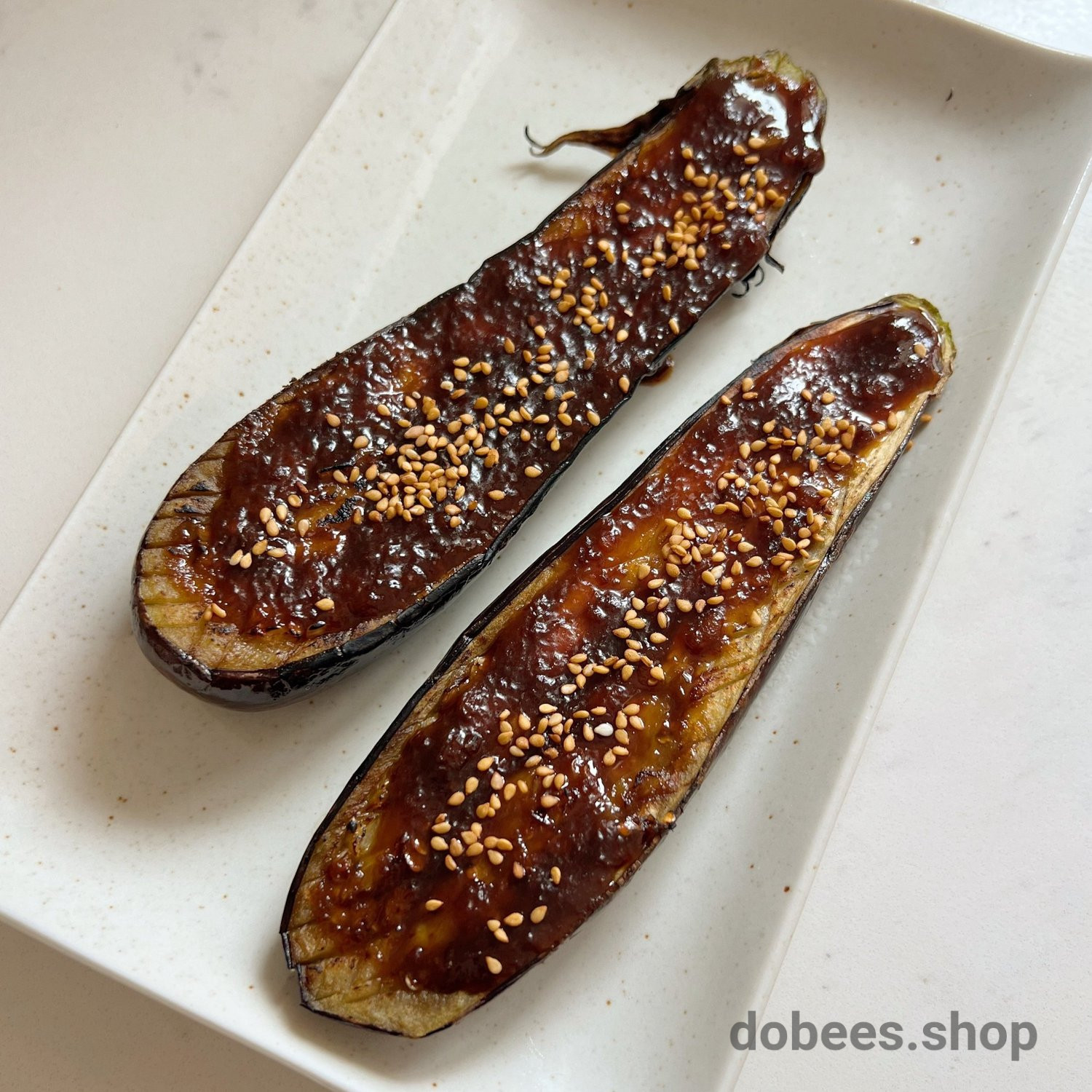
There is a specific kind of magic that happens when a humble vegetable meets the deep, fermented richness of Japanese miso, and this Sesame Miso Glazed Eggplant (Nasu Dengaku) is the ultimate proof. If you have ever struggled with eggplant feeling spongy or bland, this recipe is a complete game-changer for your kitchen. It transforms the vegetable into something that is almost custard-like on the inside with a charred, caramelized top that crackles with flavor. It is a dish that celebrates the power of umami, proving that you don’t need meat to create a centerpiece that feels incredibly indulgent and substantial.
Lately, I’ve found that the ritual of “diamond-scoring” the eggplant is where the real transformation begins. I love the way the thick, mahogany-colored glaze seeps deep into those incisions, ensuring that every single bite is saturated with ginger, honey, and toasted sesame. The process of watching the miso bubble and darken under the broiler is a sensory delight that promises a dinner with real depth. Whether you are serving this as a standout side or over a bowl of steaming grains, it brings a sophisticated, calm energy to the table. It is a timeless masterpiece that balances salty, sweet, and savory notes in a way that feels both healthy and deeply comforting.
Why This Miso Glaze is a Total Flavor Bomb
- Complex Umami Profile: The fermented miso paste provides a savory depth that lingers on the palate long after the first bite.
- Perfect Textural Contrast: Achieving a “creamy-on-the-inside, crispy-on-the-top” finish is a hallmark of professional Japanese cooking.
- Naturally Nutrient-Dense: High in fiber and antioxidants, making it a guilt-free addition to any weekly meal plan.
- Fast and Impressive: While it looks like a restaurant-grade dish, it requires minimal active prep time.
The Secret to the “Diamond-Cut” Saturation
The hallmark of a perfect Miso Eggplant is ensuring the flavor goes all the way through the flesh. My best advice for achieving this is the “diamond-score” technique. Slice your eggplant in half lengthwise, then use a sharp knife to cut a criss-cross pattern into the white flesh, being careful not to pierce the skin. This increased surface area allows the heat to reach the center faster and gives the glaze a place to pool and caramelize. It is this internal marination during the roasting process that creates that legendary, melt-in-your-mouth consistency that defines the best Nasu Dengaku.
Ingredients for Your Umami Masterpiece
- 2 Large Italian or Japanese Eggplants: Cut in half lengthwise.
- 3 tbsp White or Red Miso Paste: White miso is milder, while red offers a bolder, saltier punch.
- 2 tbsp Mirin: A sweet Japanese rice wine that adds a beautiful gloss to the glaze.
- 1 tbsp Honey or Maple Syrup: To encourage that perfect, dark caramelization.
- 1 tsp Freshly Grated Ginger: For a bright, zesty aromatic lift.
- 1 tbsp Toasted Sesame Oil: For its signature nutty depth.
- Garnish: Toasted sesame seeds and finely sliced scallions.
Step-by-Step Instructions
- Preheat your oven to 200°C (400°F) and line a baking sheet with parchment paper.
- Score the flesh of the eggplant halves in a diamond pattern, about 1-inch deep. Brush the tops lightly with a neutral oil and roast face-down for 20 minutes until the flesh is soft.
- While the eggplant roasts, whisk together the miso, mirin, honey, grated ginger, and sesame oil in a small bowl until the glaze is smooth and thick.
- Remove the eggplant from the oven and flip them over so the flesh is facing up. Press down slightly with a spoon to open up those diamond scores.
- Generously spread the miso glaze over the top of each half, ensuring it gets into all the nooks and crannies.
- Return to the oven (or under a broiler) for another 5 to 8 minutes until the glaze is bubbling and starts to turn a deep, charred brown.
- Remove from the heat and immediately sprinkle with toasted sesame seeds and fresh scallions for a vibrant finish.
Tips for Success
If you find that your eggplant is absorbing too much oil, try salting the flesh for 10 minutes before roasting and patting away the excess moisture with a paper towel. This “sweating” process helps break down the spongy structure and leads to a much creamier result. For a more complete meal, serve this over a bed of quinoa or sushi rice with a side of quick-pickled radishes to cut through the richness of the miso. The acidity of the pickles plays beautifully against the sweet, fermented glaze, creating a perfectly balanced 2026-style bowl.
Nutrition and Fermented Benefits
- Yield: 2-4 Servings
- Gut Health Support: Miso is a fermented product that introduces beneficial bacteria to your digestive system.
- High in Phytonutrients: The skin of the eggplant contains Nasunin, a powerful antioxidant that protects brain cells.
- Fiber Rich: A great way to increase daily fiber intake for better digestion and long-term satiety.
- Essential Minerals: Miso provides a good source of Manganese and Zinc for immune function.
I am so excited for you to experience that first, buttery bite of this miso masterpiece! There is a real sense of pride that comes with turning a simple vegetable into a dish that feels so incredibly luxurious and intentional. It is a recipe that has truly raised the bar for plant-based cooking in our kitchen. If you decide to try this savory-sweet favorite tonight, I would love to hear about it. Did you go for the milder white miso or the extra-bold red variety?
Leave a comment below and let me know what is your favorite way to incorporate fermented ingredients into your dinner routine?