Authentic Nigerian Okro Soup: Secrets to the Perfect “Draw” and Flavor
Nigerian Okro Soup is a beloved staple across West Africa, famous for its vibrant green color and its unique “draw” (mucilaginous) texture. Whether you prefer a simple Ila Alasepo (all-in-one pot) or a luxurious seafood-laden version, the goal is always the same: a soup that is perfectly elastic, crunchy, and bursting with umami depth. It is the ultimate companion for swallows like Eba, Pounded Yam, or Fufu.
The secret to a world-class Okro soup lies in the timing. Overcooking the okra ruins its texture and color. In this guide, I’ll show you how to layer your proteins and when to add your vegetables to ensure every spoonful is fresh and flavorful.
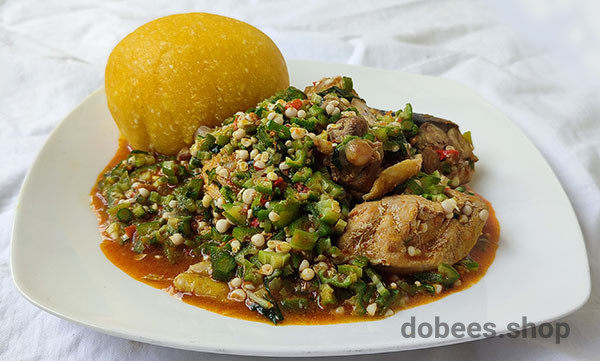
The Ingredients
Authentic Okro soup relies on a mix of fresh vegetables and deep, fermented flavors.
- Fresh Okro Pods: Hand-chopped or grated. Hand-chopping gives a better “crunch” than blending.
- Palm Oil: For that essential earthy base and rich orange hue.
- The Protein Mix: Beef, Shaki (tripe), and Ponmo (cow skin).
- Seafood: Fresh prawns, smoked fish, and dried fish for layers of flavor.
- The Umami Boosters: Iru (fermented locust beans) and ground crayfish.
- Fresh Greens: A handful of shredded Ugu (pumpkin leaves) or Spinach.
- Aromatics: Blended Scotch Bonnet (Atarodo) and onions.
Once you add the Okro to the pot, never cover it with a lid. Covering the pot traps steam, which increases the temperature too quickly and kills the “draw” (elasticity) of the soup. Keep it open and stir vigorously to activate the okra’s natural texture.
Step-by-Step Preparation
- The Stock Base: Boil your assorted meats with sliced onions and seasoning cubes. Start with the toughest meats (Shaki and Ponmo) and add the beef later. Keep the stock; this is the flavorful foundation of your soup.
- Fry the Aromatics: In a separate pot, heat the palm oil (don’t bleach it). Add chopped onions and your Iru. Let the scent fill the kitchen, then add your blended peppers and fry until the oil begins to float on top.
- Combine: Pour your meat stock into the fried base. Add your smoked fish and ground crayfish. Let this simmer for 5–8 minutes so the dried fish softens and releases its flavor.
- The Okro Stage: Add the chopped Okro. Stir well to combine with the stock. Follow the “Lid Off” secret above and cook for only 3–5 minutes.
- The Finish: Add your fresh prawns and shredded Ugu leaves. Stir and let it simmer for another 2 minutes. The residual heat will finish the prawns perfectly without making the Okro mushy. Turn off the heat immediately.
Variations to Try
- Seafood Luxury: Add crab legs, calamari, and snails for a “Fisherman’s style” Okro soup that is truly indulgent.
- Oil-Free (Keto Version): Skip the palm oil and cook the okra directly in a very spicy, well-seasoned beef stock for a lighter, “cleaner” taste.
Nutrition and Wellness
Okro soup is a nutritional powerhouse. It is naturally gluten-free, low-carb, and keto-friendly. Okra is rich in fiber, which aids digestion, and is packed with Vitamin C and K. For those looking for a “Functional Soup,” the combination of collagen-rich proteins (like Ponmo) and antioxidant-heavy peppers makes this a restorative meal that supports gut health and skin elasticity.
Final Thoughts
A great Okro soup is a point of pride in many Nigerian homes. It’s a dish that celebrates the freshness of the market and the richness of our heritage. By mastering the balance of the “draw” and the crunch, you are keeping a beautiful tradition alive. Serve it hot and enjoy the stretch!
Do you prefer your Okro grated smooth or chunky and hand-chopped? Let me know your favorite style in the comments!