There is a deep, soul-warming richness that defines the culinary heritage of Central Africa, and Poulet à la Moambé stands as the magnificent, buttery heart of that tradition. If you have been searching for a slow-cooked meal that offers a sophisticated alternative to common peanut stews, this Congolese masterpiece is a breathtaking discovery. It centers on the Moambé a luscious, earthy cream extracted from the fruit of the oil palm tree which creates a sauce so velvet-like and dense that it clings perfectly to every piece of tender chicken. It is a dish that celebrates the incredible biodiversity of the Congo Basin, bringing a rustic yet regal energy to the modern dinner table.
I find myself captivated by the way the vibrant orange-red palm nut pulp transforms during a long simmer, darkening into a savory mahogany glaze that is packed with ancestral flavor. The process of searing the bone-in chicken until golden and then bathing it in a fragrant base of ginger and Pili Pili chili is a true lesson in patience and aromatic layering. There is a beautiful, grounding quality to serving this alongside a mountain of fluffy white rice or traditional Fufu to soak up every drop of the concentrated sauce. Whether you are honoring your roots or expanding your global palate, this recipe offers a nutrient-dense, high-performance meal that feels like a warm embrace. It is a legendary national treasure that proves the most enduring flavors are those found deep within the forest’s natural bounty.
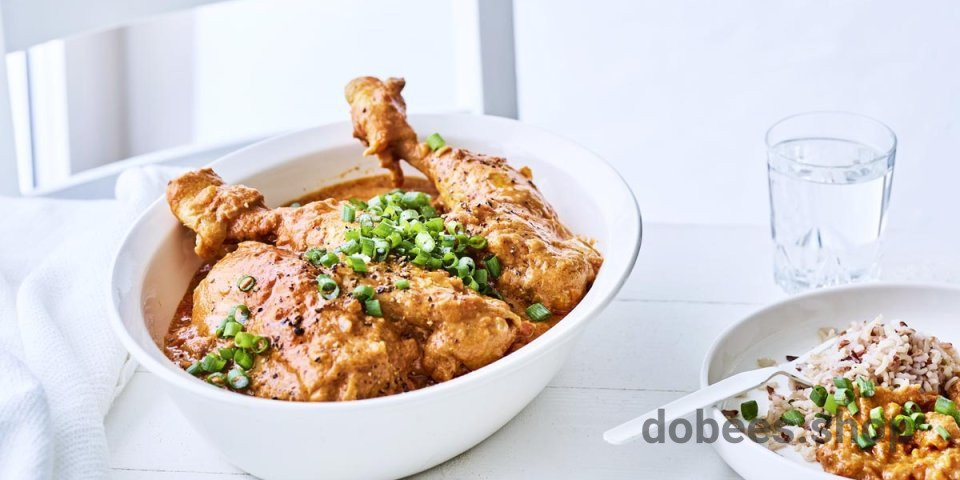
Why This Congolese National Dish is a 2026 Standout
- Velvety Palate Experience: The unique fat profile of the palm nut creates a buttery, thick consistency that is naturally dairy-free and incredibly satisfying.
- Antioxidant Powerhouse: Unrefined palm fruit extract is a leading source of Tocotrienols and Vitamin A, fitting perfectly into modern longevity diets.
- Authentic Heritage Profile: It offers a genuine taste of the “Back to Roots” philosophy that is currently sweeping the 2026 international food scene.
- Fall-Off-The-Bone Tenderness: The slow-braising technique ensures the chicken remains succulent while fully absorbing the earthy, spicy notes of the sauce.
The Secret to the Perfect Moambé Emulsion
The hallmark of a professional-standard Moambé is a sauce that is smooth and thick, without separating into oil and water. My best advice for achieving this is to introduce your liquid gradually. When you first stir the palm nut cream into your sautéed aromatics, add small splashes of warm chicken stock or water, whisking constantly until a uniform paste forms. By building the base slowly before adding the chicken back into the pot, you ensure the sauce remains emulsified during the long simmer. This creates that iconic, mirror-like finish that defines the best Congolese home cooking.
Ingredients for Your Savory Masterpiece
- 1.5kg Chicken Pieces: Bone-in for the most flavorful and gelatinous sauce.
- 400g Moambé (Palm Nut Butter): High-quality pulp is the essential foundation.
- The Aromatic Base: 2 large onions (diced), 4 cloves of garlic, and 2 tbsp fresh grated ginger.
- Pili Pili Chili: Congolese bird’s eye chili (use whole for mild heat or crushed for fire).
- The Green Side: Saka Saka (cassava leaves) or fresh spinach to provide an earthy balance.
- Cooking Fat: A small amount of neutral oil for the initial chicken sear.
- Seasoning: Salt and black pepper to taste.
Step-by-Step Instructions
- Season your chicken pieces generously with salt and pepper. In a heavy-bottomed pot, sear the chicken until the skin is beautifully browned and golden. Remove and set aside.
- In the same pot, sauté the onions and garlic until soft and fragrant. Add the fresh ginger and stir for one minute to release its oils.
- Lower the heat and stir in the palm nut cream. Gradually add a little warm water, stirring until you have a smooth, thick liquid base.
- Return the chicken pieces to the pot. Add the Pili Pili chili keeping it whole if you prefer a subtle, controlled heat.
- Cover and simmer on low for 45 to 60 minutes. You want the sauce to thicken and darken while the chicken becomes tender enough to fall off the bone.
- While the stew simmers, prepare your Saka Saka (cassava leaves) by steaming them with a bit of garlic and leeks for a fresh, vegetal contrast.
- Serve the rich Moambé chicken over white rice or pounded Fufu, ensuring every portion gets a generous ladle of the mahogany sauce.
Tips for Success
If you want to lean into the “Modern African Bistro” trend, try finishing your chicken under a broiler for two minutes before serving to give the skin a slight char that plays against the sweetness of the palm nut. Always remember that Moambé is a dish that tastes even better the next day, as the flavors continue to marry and deepen in the fridge. For a truly authentic 2026 experience, serve this with a side of fried plantains; the caramelized sweetness of the fruit is the perfect partner for the salty, earthy depth of the palm sauce.
Nutrition and Restorative Benefits
- Yield: 4-6 Servings
- High-Quality Healthy Fats: Rich in unrefined palm oils that support cellular health and provide lasting satiety.
- Antioxidant Density: A significant source of Vitamin E and Beta-carotene for skin vitality and immune support.
- Bioavailable Protein: Bone-in chicken provides essential minerals and amino acids for muscle repair.
- Low-Glycemic Energy: When served with traditional tubers or brown rice, it provides steady energy without a sugar spike.
I am genuinely thrilled for you to experience the incredible, velvet-like texture of this Congolese treasure! There is a real sense of adventure in mastering a dish that uses such a unique star ingredient and seeing how it transforms your perspective on slow-cooking. It is a recipe that has truly brought a sense of global history and comfort to our kitchen this month. If you decide to prepare this national icon tonight, I would love to hear how it turned out. Did you manage to find the traditional Saka Saka or did you try it with a fresh spinach twist?
Leave a comment below and let me know what is your favorite international comfort food to cook during the colder months?