Origin and History
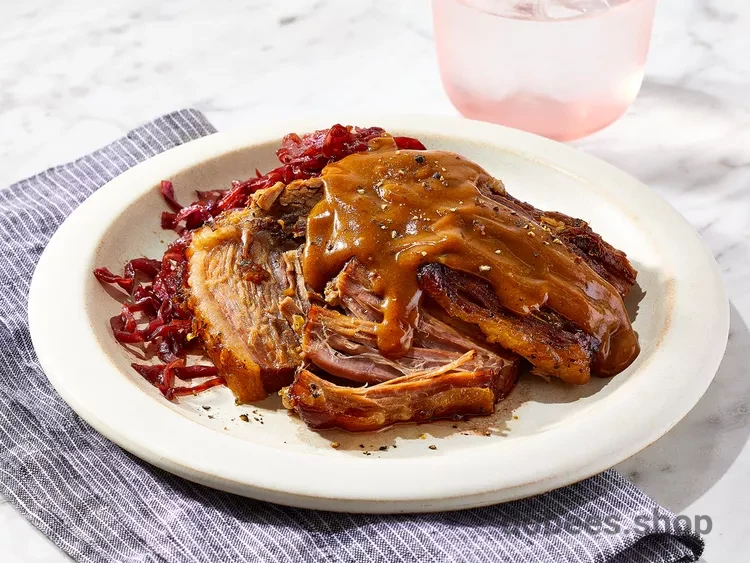
Sauerbraten (literally “sour roast”) is often regarded as the national dish of Germany. While its exact origins are debated some tracing it back to Charlemagne in the 9th century it is most famously associated with the Rhineland region. Historically, the long marination process was used to tenderize tougher cuts of meat (and even horse meat in centuries past). In 2026, Sauerbraten has seen a resurgence as the ultimate “Patience Meal.” Following the 2026 “Retro Rejuvenation” trend, home cooks are once again embracing the multi-day preparation process to achieve a depth of flavor that modern “fast” food simply cannot replicate.
Ingredients List
For the 4-Day “Slow-Flavor” Marinade:
- Beef Roast: 1.5kg (Rump roast or bottom round is traditional)
- Red Wine Vinegar: 1 ½ cups
- Dry Red Wine: 1 cup (Pinot Noir or Cabernet)
- Vegetables: 1 large onion, 2 carrots, and 1 leek (roughly chopped)
- Spices: 10 juniper berries, 5 cloves, 3 bay leaves, and 1 tsp black peppercorns
For the Braise and Gravy:
- Beef Stock: 2 cups (Low-sodium)
- Gingersnap Cookies: 8–10 cookies, crushed (The traditional Rhineland thickener)
- Sugar or Raisins: 2 tbsp (to balance the acidity)
- Butter or Lard: 2 tbsp (for searing)
Step-by-Step Preparation: How to Make Sauerbraten
1. The “Patience” Marinade
In a large saucepan, bring the vinegar, wine, vegetables, and spices to a boil. Let it cool completely. Place your beef in a non-reactive container (glass or ceramic) and pour the marinade over it. Crucial 2026 Tip: The meat must be fully submerged. Refrigerate for at least 3 to 4 days, turning the meat once every 24 hours. This long soak is what gives Sauerbraten its signature “melt-in-the-mouth” texture and tangy soul.
2. The “Maillard” Sear
Remove the beef from the marinade and pat it bone-dry with paper towels (this ensures a better crust). Strain the marinade and reserve both the liquid and the veggies. Heat butter or lard in a Dutch oven and sear the beef on all sides until it has a deep, dark brown crust. Remove the meat and set aside.
3. The Low-Temp Braise
Add the marinated vegetables to the pot and sauté until softened. Pour in the reserved marinade liquid and beef stock. Return the beef to the pot, cover tightly, and braise in a 150°C (300°F) oven for about 3 hours. In 2026, many are using “Precision Steam Ovens” to keep the meat incredibly juicy during this long cook.
4. The Gingersnap Secret
Once the meat is tender, remove it and strain the cooking liquid into a saucepan. Stir in the crushed gingersnap cookies. As they dissolve, they thicken the sauce into a glossy, spiced gravy while adding a hint of sweetness that cuts through the vinegar. Adjust seasoning with a little sugar or extra raisins if needed.
2026 Culinary Trends: “The Fermentation Fusion”
As of March 1, 2026, the “Gut Health Hub” trend has transformed how Germans eat their roasts. In 2026, Sauerbraten is almost always served with “Live-Culture Sauerkraut” (unpasteurized) to provide a probiotic counterpoint to the rich gravy. Another major 2026 trend is the “Venison Swap,” where sustainably sourced game meat is used instead of beef, aligning with the 2026 global demand for “Hyper-Local” and “Leaner Protein” sources. In Berlin’s trendy 2026 bistros, you’ll even find “Sauerbraten Sliders” served on pretzel buns with a horseradish-apple slaw.
Nutritional Benefits
Sauerbraten is a Powerhouse Protein dish. The long vinegar soak not only tenderizes the meat but also helps break down proteins for easier digestion. One serving provides approximately 35g of protein and is rich in Iron and B-Vitamins. In 2026, the use of Juniper Berries in the marinade is highlighted for its digestive and diuretic properties. When served with traditional red cabbage, the meal becomes an antioxidant bomb, packed with Anthocyanins that support heart health and reduce inflammation a key focus of 2026’s “Longevity” diets.
Conclusion
Learning how to make Sauerbraten in 2026 is an exercise in slowing down. It is a dish that rewards the cook who plans ahead, proving that time is often the most important ingredient in the kitchen. By balancing the sharp acidity of the marinade with the warm spices of gingersnap cookies, you create a flavor profile that is uniquely German and universally comforting. As we navigate the high-tech world of 2026, a plate of Sauerbraten with potato dumplings is the ultimate reminder of the enduring power of heritage cooking.