Origin and History
Yakitori (meaning “grilled bird”) dates back to the Edo period in Japan, originally sold by street vendors near shrines and festivals. Over centuries, it evolved from a simple skewered snack into a refined culinary art. The “Don” (Donburi) version serving these grilled skewers over a bed of steamed rice
gained popularity as a convenient, all-in-one lunch for urban workers. In 2026, Yakitori Don has seen a massive global resurgence as part of the “Donburi Renaissance,” where traditional Japanese bowls are being reinterpreted with a focus on high-quality, traceable proteins and functional ingredients.
Ingredients List
For the Chicken and Skewers:
- Chicken Thighs: 500g (boneless, skin-on for authentic flavor, cut into bite-sized pieces)
- Leeks or Scallions: 2 large (whites and light green parts, cut into 1-inch lengths)
- Neutral Oil: 1 tbsp (for the pan)
For the 2026 “Umami-Max” Tare Sauce:
- Soy Sauce: ½ cup
- Mirin: ½ cup
- Sake: ¼ cup
- Brown Sugar: 2 tbsp
- Garlic & Ginger: 1 tsp each (freshly grated a 2026 trend for added “zing”)
For the Bowl Assembly:
- Steamed Rice: 2 cups (short-grain Japanese rice or 2026-trending Cauliflower rice mix)
- Shichimi Togarashi: (Japanese 7-spice chili, for garnish)
- Nori: (Shredded dried seaweed)
Step-by-Step Preparation: How to Make Yakitori Don
1. Prepare the Tare (Sauce)
In a small saucepan, combine the soy sauce, mirin, sake, sugar, garlic, and ginger. Bring to a boil over medium-high heat, then reduce the heat to low. Simmer for 15–20 minutes until the liquid reduces by half and becomes a thick, glossy syrup. Set aside a small portion for final drizzling.
2. Skewer or Pan-Sear?
While traditional yakitori is grilled over charcoal (binchotan), the 2026 home-cooking trend favors the “Cast-Iron Sear” for speed. Thread the chicken and leeks onto bamboo skewers (alternating them), or simply toss them in a hot skillet with a little oil. Cook for 4–5 minutes on each side until the chicken is golden and the leeks are slightly charred.
3. The Glazing Phase
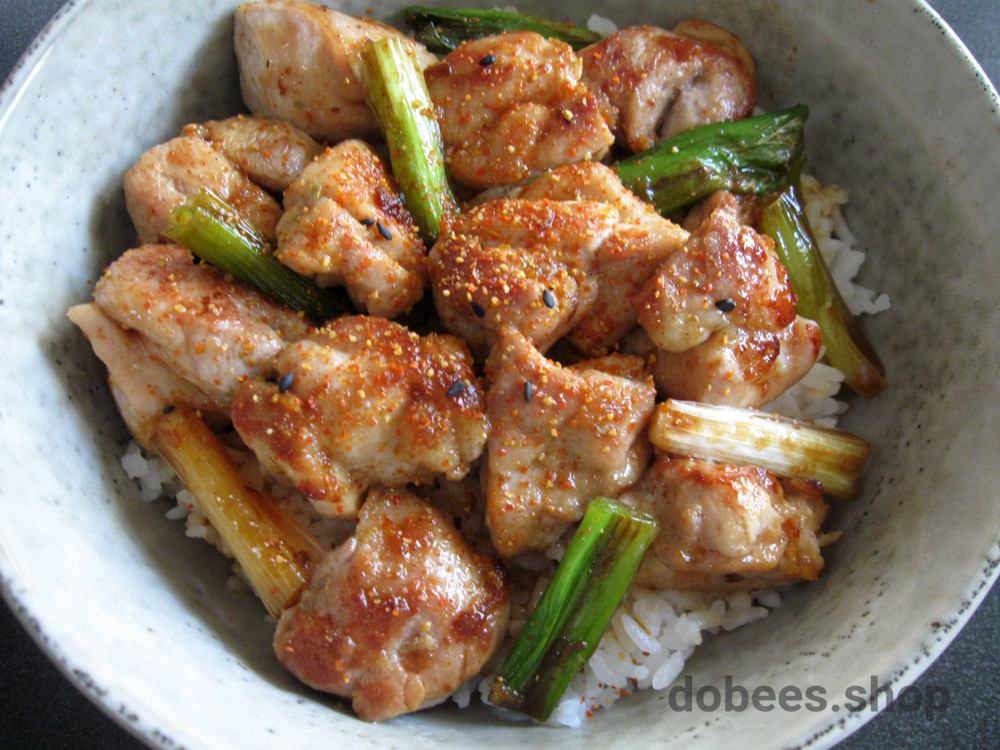
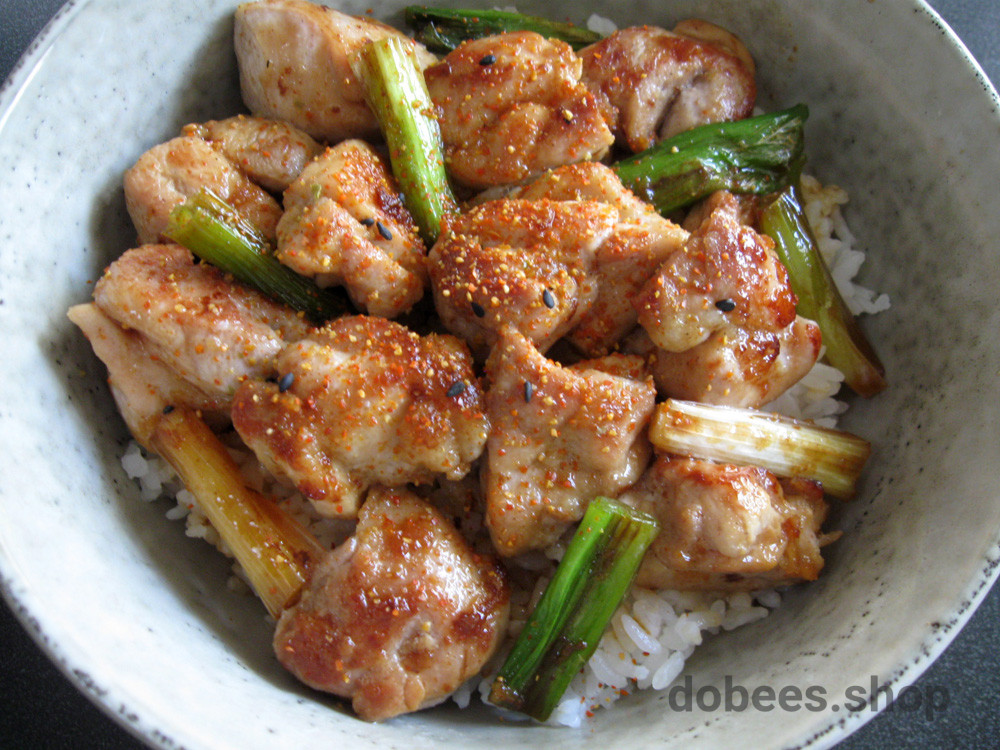
Once the chicken is nearly cooked through, brush the Tare sauce generously over the meat and leeks. Continue cooking for another 1–2 minutes, turning frequently, so the sugar in the sauce caramelizes into a sticky, dark glaze. Pro-Tip 2026: Don’t let the sauce burn; the goal is a “lacquered” finish that glows.
4. Assemble the Bowl
Place a generous scoop of hot rice into a bowl. Arrange the chicken and leeks (off the skewers for easier eating) on top. Drizzle with the reserved Tare sauce. Finish with a sprinkle of Shichimi Togarashi and shredded Nori for that authentic Japanese aesthetic.
2026 Culinary Trends: The “Plant-Based Pivot”
As of March 1, 2026, the “Plant-Based Pivot” is the biggest shift in Japanese fusion. Following the 2026 “Authentic Plant-Based” trend, many diners are swapping chicken for “Tofu Slabs” or “Lion’s Mane Mushrooms,” which perfectly mimic the texture of meat when seared. Another major 2026 trend is the use of Mushroom Garum a fermented umami seasoning added to the Tare sauce to deepen the savory profile without extra salt, aligning with the 2026 global demand for lower-sodium, high-flavor alternatives.
Nutritional Benefits
Yakitori Don is a balanced “Functional Meal.” The chicken thigh provides high-quality protein (approx. 30g per serving) and essential Zinc. In 2026, the inclusion of ginger and garlic in the sauce is highlighted for its anti-inflammatory properties. For those following 2026’s “Gut-Health Hub” trends, serving this with a side of pickled ginger or kimchi provides natural probiotics. By using a mix of white rice and cauliflower rice (the 2026 “Flexi-Bowl”), you can reduce the glycemic load while maintaining the satisfying “comfort food” texture.
Conclusion
Learning how to make Yakitori Don in 2026 is a masterclass in efficiency and flavor. It captures the essence of modern dining: simple, high-protein, and deeply rooted in tradition. Whether you stick to the classic chicken thigh or embrace the 2026 tofu-swap, the result is a bowl of pure, charred umami that warms the soul as we head into the spring of 2026. It’s the perfect reminder that the best meals are often the simplest, delivered with a perfect balance of sweet, salty, and smoke.